Kenny Guido
Well-known member
MTV and Freestyle
Who invented MTV?
 Michael Nesmith, former member of a 60’s pop-rock band called “The Monkees”, has been credited with creating the concept for what we now know as MTV. Having developed a music-video pilot called “PopClips” for Nickelodeon, he eventually sold the rights to Time-Warner.
 MTV was launched on August 1, 1981, originally conceived to play Rock and Roll and only Rock and Roll. Michael Jackson soon changed that when he released the “Thriller” album on December 1, 1982.
Michael Jackson is credited with helping put MTV on the map with his groundbreaking videos (Thriller, Billie Jean, Beat It). He also has the distinction of being the first black artist to play on MTV.
 In the late 80’s and early 90’s, Hip Hop and Dance Music were in heavy radio rotation across the country. But at the time, this was not reflected on MTV’s play list, or the Billboard Top 100. Eventually, MTV did test the waters with two shows directed at both the Hip Hop and Dance music genres.
 Yo! MTV Raps, hosted by Ed Lover and Dr. Dre, played Hip Hop music videos and interviewed artists. Club MTV, a sort of American Bandstand for Dance, hosted by downtown Julie Brown, was filmed in New York’s Palladium and featured dancers and live performances. To date this has been the only time Freestyle videos have been featured on MTV.
So what happened? How did Hip Hop take over as the pop music of the new millennium and Freestyle shoved aside? The answer is SoundScan.
What Is SoundScan?
“Nielsen SoundScan is an information system that tracks sales of music and music video products throughout the United States and Canada. Sales data from point-of-sale cash registers is collected weekly from over 14,000 retail, mass merchant and non-traditional (on-line stores, venues, etc.) outlets. Weekly data is compiled and made available every Wednesday. Nielsen SoundScan is the sales source for the Billboard Music Charts.” - www.soundscan.com

In the past, Billboard had tracked sales by calling stores across the U.S. and asking about sales, a method that was open to error and payola, or fraud. But SoundScan removes the human element altogether.
This is how it works. A barcode is on the back of most label-released CDs. When a customer is about to buy an album or single, the store clerk runs the barcode across a scanner (cash register). The sale is put into the store's computer and the sale data is also sent to the Nielsen Media Research offices for that region.
When SoundScan began tracking sales data for Billboard on March 1, 1991, Billboard’s Hot 100 chart changed dramatically. Before that date, Rock and Country dominated the charts. Rap was already outselling Rock but Billboards charts were not reflecting this. The chart was political and corrupt. The truth came out when SoundScan debuted. In a matter of weeks, Hip Hop had taken over the charts.
Freestyle, and most dance music in general, wasn’t selling the units Rap was. Radio stations across the country were being pressured by their parent companies to cater to the largest audience possible. Desperate for more listeners, they hired research companies and started using the SoundScan service to learn what music was selling most in their markets.
Almost overnight, dance music in the U.S. was abandoned. Nightclubs that catered to Dance Music across the country either went bankrupt or were forced to become Hip Hop clubs. The result is what we have now, Hip Hop as the new Pop culture. This is reflected on today’s MTV with programs like MTV cribs and Pimp My Ride.
Freestyle Music Videos
 Even though Freestyle and Rap were spawned from the same seed, Freestyle chose to move away from it's Hip Hop image roots. Unfortunately, the music never found an image to replace it.
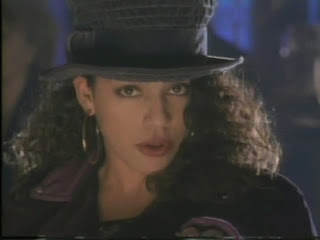 Here's a little story from my own experience. I remember how difficult it was for the wardrobe person to dress Lisette Melendez on the set for the video to "Together Forever". I remember thinking it odd that they couldn’t figure out how to dress a Latina from Spanish Harlem. Their only reference must have been West Side Story, because they tried to get Lisette to wear a t-shirt, with tight Levi’s and a pair of Converse sneakers without laces. Funny, I know, but it was a scary moment for Lisette and she panicked.
Rosie Perez, who choreographed the video, ran to Russell Simmons and insisted that he do something. Russell handed Rosie his credit card. Rosie then grabbed Lisette and they both jumped into a cab and drove off to the village. All this while the crew for the video waited on set. When they came back about two hours later, they had the outfit that helped Lisette define her feminine street style. After all, she is from Spanish Harlem.
Who invented MTV?
Michael Nesmith, former member of a 60’s pop-rock band called “The Monkees”, has been credited with creating the concept for what we now know as MTV. Having developed a music-video pilot called “PopClips” for Nickelodeon, he eventually sold the rights to Time-Warner.Michael Jackson is credited with helping put MTV on the map with his groundbreaking videos (Thriller, Billie Jean, Beat It). He also has the distinction of being the first black artist to play on MTV.
 In the late 80’s and early 90’s, Hip Hop and Dance Music were in heavy radio rotation across the country. But at the time, this was not reflected on MTV’s play list, or the Billboard Top 100. Eventually, MTV did test the waters with two shows directed at both the Hip Hop and Dance music genres.
So what happened? How did Hip Hop take over as the pop music of the new millennium and Freestyle shoved aside? The answer is SoundScan.
What Is SoundScan?
“Nielsen SoundScan is an information system that tracks sales of music and music video products throughout the United States and Canada. Sales data from point-of-sale cash registers is collected weekly from over 14,000 retail, mass merchant and non-traditional (on-line stores, venues, etc.) outlets. Weekly data is compiled and made available every Wednesday. Nielsen SoundScan is the sales source for the Billboard Music Charts.” - www.soundscan.com

In the past, Billboard had tracked sales by calling stores across the U.S. and asking about sales, a method that was open to error and payola, or fraud. But SoundScan removes the human element altogether.
This is how it works. A barcode is on the back of most label-released CDs. When a customer is about to buy an album or single, the store clerk runs the barcode across a scanner (cash register). The sale is put into the store's computer and the sale data is also sent to the Nielsen Media Research offices for that region.
When SoundScan began tracking sales data for Billboard on March 1, 1991, Billboard’s Hot 100 chart changed dramatically. Before that date, Rock and Country dominated the charts. Rap was already outselling Rock but Billboards charts were not reflecting this. The chart was political and corrupt. The truth came out when SoundScan debuted. In a matter of weeks, Hip Hop had taken over the charts.
Freestyle, and most dance music in general, wasn’t selling the units Rap was. Radio stations across the country were being pressured by their parent companies to cater to the largest audience possible. Desperate for more listeners, they hired research companies and started using the SoundScan service to learn what music was selling most in their markets.
Almost overnight, dance music in the U.S. was abandoned. Nightclubs that catered to Dance Music across the country either went bankrupt or were forced to become Hip Hop clubs. The result is what we have now, Hip Hop as the new Pop culture. This is reflected on today’s MTV with programs like MTV cribs and Pimp My Ride.
Freestyle Music Videos
In my opinion, Freestyle Music Videos of the 80’s and 90’s lacked a cultural identity. Hip Hop has always had a cultural identity but Freestyle never put forth a cultural presence to go hand in hand with it’s music. Over the course of Hip Hop history we’ve seen everything from baseball caps worn to the side to baggy clothes. Gaudy jewelry, graffiti, break-dancing, etc.
 Even though Freestyle and Rap were spawned from the same seed, Freestyle chose to move away from it's Hip Hop image roots. Unfortunately, the music never found an image to replace it.
Even today, most of the images you see in Reggaeton are Hip Hop ones. Reggaeton is trying so hard to be accepted by the Hip Hop mainstream that it's moving close to losing it's own identity. But that's another story.
Rosie Perez, who choreographed the video, ran to Russell Simmons and insisted that he do something. Russell handed Rosie his credit card. Rosie then grabbed Lisette and they both jumped into a cab and drove off to the village. All this while the crew for the video waited on set. When they came back about two hours later, they had the outfit that helped Lisette define her feminine street style. After all, she is from Spanish Harlem.